
Acupuncture for Pain Management: A Natural Path to Relief
Living with chronic pain can be debilitating, impacting every aspect of daily life. From back pain and migraines to arthritis and post-surgical pain, finding effective relief is crucial for improving quality of life. For women in their 30s and 40s, managing pain while balancing work, family, and personal responsibilities can be particularly challenging. At Enfield Acupuncture, we offer a holistic approach to pain management through the ancient practice of acupuncture, providing a natural and effective path to relief.
Understanding Pain and Its Impact
Pain is the body’s way of signaling that something is wrong. Acute pain is typically short-term and arises from injuries or surgeries, while chronic pain persists for months or even years, often without a clear cause. Common sources of chronic pain include conditions such as osteoarthritis, fibromyalgia, migraines, lower back pain, and neuropathy. Persistent pain can lead to decreased mobility, sleep disturbances, anxiety, depression, and a reduced overall quality of life.
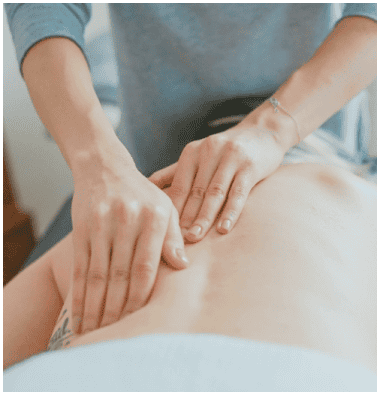
How Acupuncture Manages Pain
Acupuncture, a key component of Traditional Chinese Medicine (TCM), involves the insertion of fine, sterile needles into specific points on the body. These points correspond to energy pathways known as meridians. By stimulating these points, acupuncture helps to restore the flow of “Qi” (vital energy) and balance within the body. Studies have shown that acupuncture can effectively manage pain by:
Activating the Nervous System
Reducing Inflammation
Enhancing Blood Flow
Modulating Pain Signals

Benefits of Acupuncture for Pain Management
Back Pain: Lower back pain is one of the most common reasons people seek acupuncture. Acupuncture can relieve back pain by reducing muscle tension, improving blood flow, and promoting the release of endorphins.
Migraines and Headaches: Acupuncture is effective in reducing the frequency and severity of migraines and tension headaches. It helps by relaxing muscles, reducing inflammation, and balancing the body’s energy.
Arthritis: For individuals with osteoarthritis or rheumatoid arthritis, acupuncture can reduce joint pain and stiffness by decreasing inflammation and improving joint mobility.
Fibromyalgia: Acupuncture can alleviate the widespread pain and fatigue associated with fibromyalgia by modulating pain signals and enhancing the body’s natural healing processes.
Post-Surgical Pain: Acupuncture can aid in recovery after surgery by reducing pain, minimizing inflammation, and speeding up the healing process
Neuropathic Pain: Conditions such as sciatica and diabetic neuropathy can cause nerve pain that is often difficult to treat. Acupuncture can help by improving nerve function and reducing pain signals.
What to Expect
01
Initial Consultation
During the first visit, the practitioner will take a detailed health history and discuss your symptoms and goals.
02
Diagnosis & Treatment Plan
Based on TCM principles, we’ll diagnose the underlying imbalances contributing to your symptoms and create a personalized treatment plan.
03
Acupuncture Treatment
Fine, sterile needles will be gently inserted into specific points on your body. The experience is usually relaxing and may involve a slight tingling sensation.
04
Post Treatment Care
Your practitioner may offer advice on lifestyle modifications, dietary changes, and relaxation techniques to help manage stress between sessions.